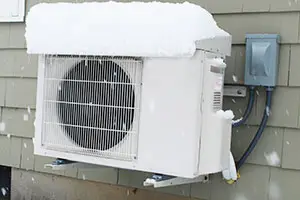
Heat Pump Performance in Maine Homes
Heat pumps are increasingly seen as a cornerstone of building electrification. When designed and used effectively, they can dramatically reduce fossil fuel consumption, lower emissions,

Heat pumps are increasingly seen as a cornerstone of building electrification. When designed and used effectively, they can dramatically reduce fossil fuel consumption, lower emissions,
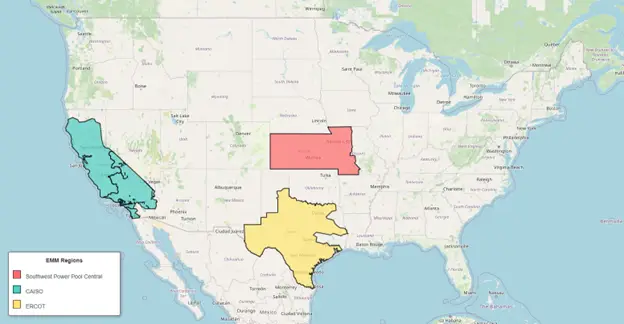
Traditional demand response (DR) programs have proven their value for grid reliability for years, but enrollment takes time. Building a large pool of participants requires

As electric vehicles (EVs) roll into garages, highways, and loading docks across the United States, the power grid is facing a significant transformation. While most
Posted on August 15, 2024 by Marshall Blundell New Evidence on the Price Elasticity of Demand for Electric Vehicle Charging If the U.S. is to address
Demand Side Analytics has done multiple HER evaluations for many utilities; across a range of geographies, fuels, and cohort sizes. In this post, we review

Electric vehicles penetration and electrification has been a subject of much debate and discussion recently. Like many other States, New York has been grappling with

Demand Side Analytics (DSA) conducted a transmission and distribution (T&D) avoided cost study in Pennsylvania. The focus of the study is on quantifying the change

Demand Side Analytics (DSA) recently conducted two similar studies on the accuracy of using smart meter data for evaluation and settlement of energy efficiency (meter-based

Many States have adopted decarbonization goals, and heat pumps have become a central element of the decarbonization strategies. The underlying logic is simple. As electric grid supply becomes cleaner, shift heating from fossil fuels (oil, propane, natural gas, wood) to highly efficient electric heat pumps. As a result, we have seen an explosion of heat pump programs and incentives.
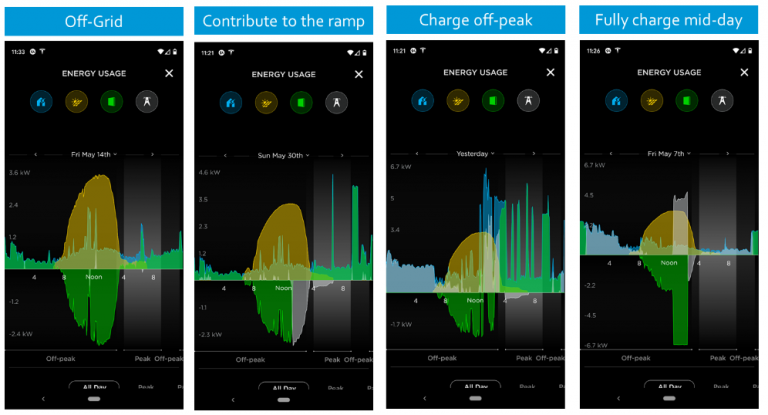
Do residential behind-the-meter batteries help the grid? The answer is: unfortunately, not as much as one would hope. The below plot shows my solar unit, two Tesla batteries, my whole home use, and my grid use on four select days.

The last few months have been unusual. COVID-19 has led to changes in our commutes, business operations, and home use patterns. It’s also changed how, when, and how much electricity we use. As long as we have social-distancing, efforts to re-open, and concerns about a second wave, forecasting electric demand will be more difficult. There are several fundamental questions:

Posted on April 5, 2019 by Josh Bode Earlier this week, the California Department of Motor Vehicles posted a granular data set with vehicle registration details by zip

PJM recently released an updated 2019 Peak Load Forecast, the primary change being the inclusion of approved Peak Shaving Load Adjustments for summer-only demand response programs (report and supporting data available at: http://www.pjm.com/library/reports-notices.aspx). Demand Side Analytics has prepared a report for the Consumer Advocate of PJM States which provides a high-level overview of the PJM change and explores implications for program administrators. We focus on three primary areas: 1) understanding load forecast adjustments and the implications for participation and timing, 2) Offer Strategy and Considerations, and 3) Price Suppression Effects. The full report is available here.

There has been a rapidly growing level of interest in distribution planning and how to integrated distributed energy resources (DERs). The growth of DERs is fundamentally changing the nature of transmission and distribution system forecasting, planning, and operations. However, the current state of transmission and distribution planning and of DER integration into planning vary widely from utility to utility. For this project, our team conducted an inventory of current utility distribution planning practices and capabilities in Washington. The results were presented at Workshop on November 20th to a broad range of stakeholders.

Posted on August 15, 2017 by Jesse Smith Demand Side Analytics recently designed and analyzed an LED pricing trial for Efficiency Maine Trust. The study involved the two